Contact: Iowa Cattlemen's Association, 515-296-2266, Contact Us.
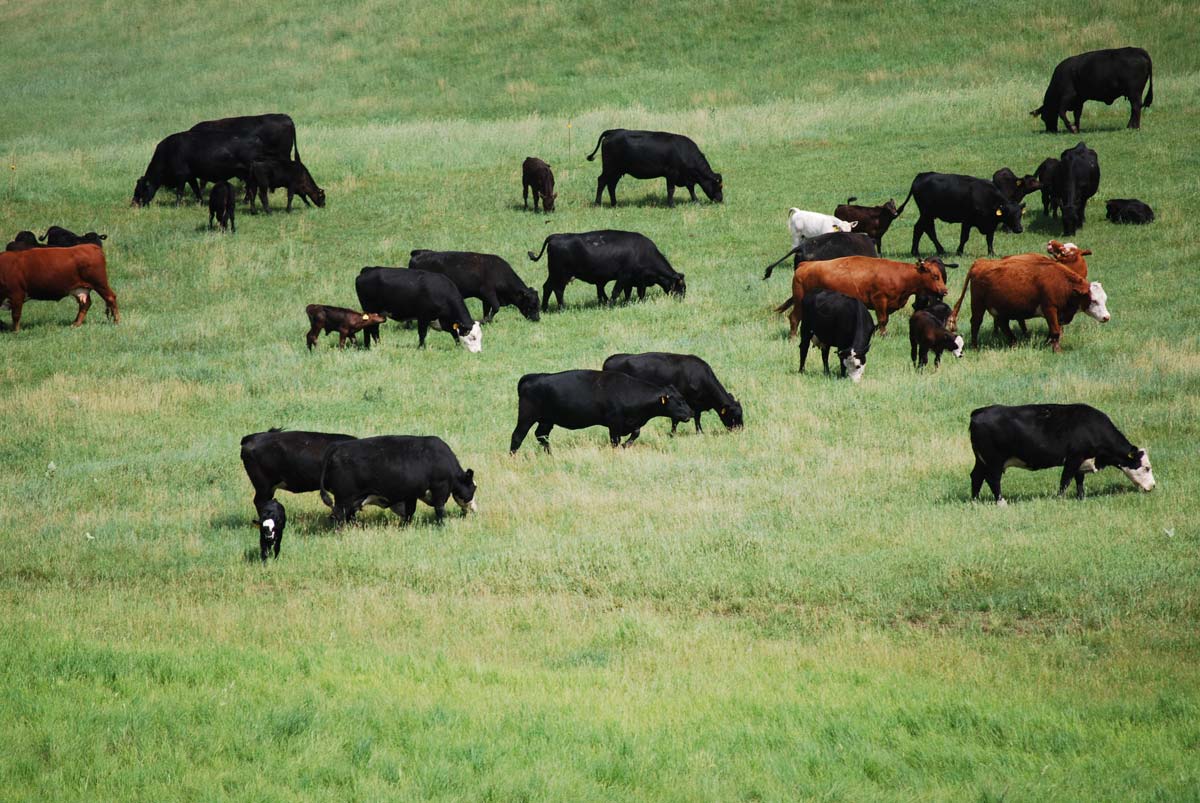
A lack of available forage land is pushing some cattle groups to look for ways to make existing Conservation Reserve Program acres easier for producers to graze, a shift that could give ranchers room to expand a historically small cattle herd.
Some state livestock groups, including the Iowa Cattlemen’s Association and Kansas Livestock Association, want to enable producers to graze more CRP land amid a scarcity of available forage, and to better incentivize landowners to let them.
In Iowa, for example, CRP adds to already-tight competition for forage because its rental payments can make enrolling acres more attractive to landowners than leasing them to cattle producers, said ICA Director of Government Relations and Public Policy Kelli Klink, who called competition for acres of grassland the “number one” concern she’s been hearing from the state’s cattle producers.
“If this land is already sitting idle, we know there is real opportunity that it could become a very productive pasture area while doing exactly what the CRP program is for — to conserve those marginal acres,” Klink said.
Meanwhile, Senate Republicans’ draft farm bill has proposed changes meant to better accommodate cattle producers interested in grazing CRP land, including cost-share for infrastructure like fences and water systems and dedicated funding for those practices on acres not enrolled in the grasslands signup.
And outside of CRP, states are experimenting with their own forage-focused conservation programs, which some officials believe could serve as models for either CRP or other future farm bill programs.
Limited access to forage is one of several factors behind a multiyear drop in U.S. cattle numbers, driven in part by recent droughts. Inventories fell to 86.15 million head in January, the lowest level since 1951, though USDA estimates released last week indicate a slight increase from last July, suggesting herd rebuilding has likely begun. Beef prices have climbed to record highs in recent years amid tight cattle supplies and strong consumer demand.
“What I hear from our beef producers is they want to grow, they see an opportunity,” said Iowa Agriculture Secretary Mike Naig, who said he supports CRP reforms to further allow haying and grazing of CRP acres. “But if you’re in the cow-calf business, you need pasture.”
Aaron Popelka, KLA’s vice president of legal and government affairs, said one challenge limiting producer access to CRP land for grazing is that it can be hard for producers to find landowners interested in renting it out to them for grazing, particularly with absentee landowners. Rental rate penalties, logistics of coordinating the setup of fencing and water systems, and limited opportunities to make connections with producers may all limit landowner interest in allowing grazing on CRP acreage.
“You’ve got to have an incentive for some of these retired landowners or absentee landowners to put cattle on their contracts,” Popelka said.
Popelka would like to see a requirement in the Grasslands CRP signup for native grasslands enrolled in the program to be grazed, as well as “greater flexibility” in the General signup “about how grazing is utilized.” Klink sees potential for ensuring cropland that has already been converted into grassland can be enrolled under the Grassland CRP signup, as well as flexibilities to allow more grazing during the primary nesting season.
KLA, ICA, the Wisconsin Cattlemen’s Association and the Illinois Beef Association recently proposed a policy amendment at the National Cattlemen’s Beef Association summer business meeting that suggested the national organization support “reforms that prioritize grazing as a primary conservation tool” across CRP’s three signups. In addition, it called for the "development of a CRP type that requires livestock grazing as a conservation management practice and working lands program,” haying and grazing with “minimal restrictions” during certain drought designations, and the allowance of managed grazing during primary wildlife nesting and brood rearing seasons under a “regionally appropriate grazing plan” and responsible grazing on buffer strips, headlands and waterways.
Through the proposed resolution, the groups also said cattle producers who graze or hay CRP land should continue to have annual rental rate payments “reduced to reflect the value of the forage utilized," and proposed opposing any legislation to increase CRP’s 27-million-acre cap.
“We don’t want to see more CRP acres, because that really is a land-retirement program,” Popelka said of CRP. “We want to make sure it’s focused on marginal cropland. We don’t want to see widespread addition.”
Lynn Tjeerdsma, once a policy adviser for Majority Leader John Thune, R-S.D., and a former assistant deputy administrator for farm programs at USDA’s Farm Service Agency, believes cattle groups’ efforts to further shift CRP toward a “working lands” program have potential so long as they are able to find common ground with conservation groups.
“As long as the livestock producers and the wildlife folks work together, I think they can get some policies in there that would basically help CRP and not compromise the wildlife benefits but also help out the grazing guys,” he said.
Grazing rules vary across CRP's three signups
CRP was first established in 1985, during the throes of the 1980s farm crisis, with dual goals of preventing soil erosion and reducing crop surpluses that were depressing farm prices. In subsequent farm bills, it expanded in scope through new signups that allowed landowners to enroll smaller, targeted areas like buffer strips, as well as existing grasslands that could be enrolled with flexibilities for haying and grazing.
USDA’s Farm Service Agency, which oversees CRP, can also authorize emergency grazing if it determines that the program “can assist in the response to a natural disaster event without permanent damage to the established cover,” according to the U.S. Code of Federal Regulations.
Tjeerdsma believes more producers would be interested in grazing under CRP if more cost-share was available to help establish fencing and water. He also said they might consider using land for grazing rather than haying, pointing out that he shifted away from haying on one of his own fields after he was able to erect a fence on it with cost-share assistance through the Natural Resources Conservation Service’s Wetlands Reserve Enhancement Program.
“They graze down the cool season grasses,” he said of his cattle, "and it really has made a difference on giving the native grasses a chance to flourish a little later on."
Andrew Schmidt, director of government affairs at Pheasants Forever and Quail Forever, says wildlife and hunting advocates prefer grazing over haying, noting that haying poses more risk of killing birds directly and can also lead to the loss of winter cover. He called grazing "just a better management tool for enhancing the habitat and cover of the land.”
“Any chance we have to point and incentivize a producer towards grazing over haying, we want to do that,” Schmidt said, noting that grazing will “encourage a lot more environmental and natural resource benefit."
Julia Peebles, senior director of public policy for Ducks Unlimited, said grazing can be “very compatible” with wildlife like birds in the grasslands, noting that it can help contribute to the promotion and restoration of native grasses and grassland habitat. She also said that birds in the Northern Plains’ Prairie Pothole region have evolved alongside herds of bison.
“For DU, what we say all the time is 'What’s good for the herd is what’s good for the bird,'" she said.
Senate Republicans’ draft farm bill would also let producers hay up to half of their CRP acres during the final two weeks of the primary nesting season when drought or another disaster squeezes forage supplies. The exception would apply in counties facing D2 drought, at least a 40% forage loss or another USDA-recognized natural disaster, and would still require a site-specific plan and protections against long-term damage to wildlife cover. The change applies to emergency haying, not grazing.
States try their own approaches to easing forage shortages
States are also testing their own programs to help cattle producers with forage concerns.
For instance, a “Cattle and Conservation Working Lands Project” in Iowa offers technical assistance and cost-share funding to help producers in eight counties pay to convert marginal cropland to pasture or hay ground and install other conservation practices while keeping the acres available for uses like grazing.
So far, $15 million has been invested in the program, with $11.7 million provided by the Iowa Department of Agriculture, Naig said. Since the program’s launch in 2016, it has helped convert 16,000 acres of row crops to pasture haying or grazing and establish 195,000 acres of cover crops. He believes it could be a model for a future federal farm bill program.
“The numbers are incredible,” Naig said. “It’s very popular, and we think it’s a model."
This March, IDALS extended the project for another three years. The program has also received some Regional Conservation Partnership Program Funding in the past, Naig said.
Naig said to solve cattle producers’ forage access challenges, officials need to look either at finding ways to convert sensitive row-crop acres to grasslands or look at “acres already seeded down through CRP” and similar programs. These acres may represent "a significant amount of acreage that could be put into the service of raising cattle, but you’ve got to have the policy pieces that go along with that,” he said.
“That’s kind of how we approach this,” he said, referring to Iowa’s program. “One is, that conversion of row crop into pasture, hay, cover crop, those types of things. And the other piece would be then matching that with policy changes to address CRP."
Meanwhile, North Dakota has established a “Governor’s Legacy Soil Health and Habitat Program”, which, like CRP, funds 5-year agreements with producers to establish and manage grass on all types of cropland, paying them an annual rental payment. The program allows some grazing, Schmidt with Pheasants Forever said.
Agri-Pulse Communications has granted permission to republish this article, which originally appeared in the 7/29/26 newsletter. For a free month-long trial subscription to Agri-Pulse content, go to: https://www.agri-pulse.com/subscription.